What I Read in January 2026
I thought I would end up reading less. When I abolished my annual reading target — in response to the fact that in 2025 I read 121 books but felt frustrated about it — I did so in the expectation that I would not read as many books. Without the promise of that accomplished glow every time I marked a book "read" on the Storygraph, moving one digit closer to my goal, I assumed that I would end up taking things more slowly. I liked that idea: being more deliberate and considered, rather than reading at a breathless pace because there's a finishing line to reach. I predicted that I might finish three, perhaps four books this month.
It didn't turn out that way. I read nine books in January. I only averaged ten a month last year, when I thought I was reading too much too quickly (in ebook form especially). But I didn't feel like I was rushing from one to the other, perhaps in part because a couple of these were titles that I had started at some point last year and then put down, either because something more urgent came up (the perils of having a podcast about books) or because the book seemed too long/slow to keep me on pace for my end-of-year goal. I felt at liberty to pick them back up again now, which I think shows the lack of expectation is having the intended effect so far.
So what did I read? Keep going for details of:
- three classic crime novels
- two loosely-connected works of historical fiction
- a contemporary Regency romance
- a collection of literary fiction short stories
- a fantasy adventure audiobook
- and a non-fiction coffee table book about sheep
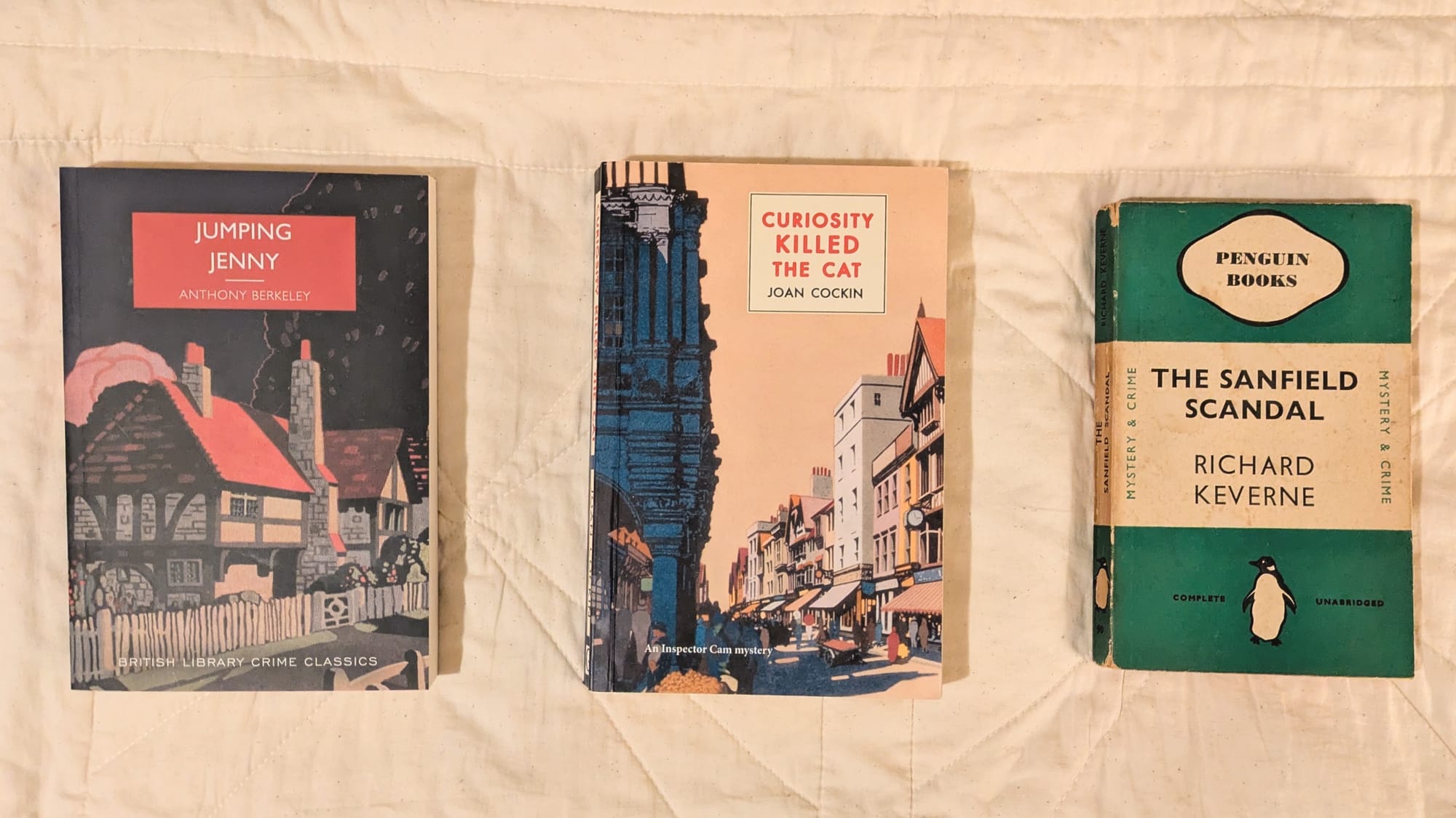
I was able to take a slightly slower start to the year with my detective fiction podcast, Shedunnit, because I recorded January's episodes before breaking for Christmas. The three crime novels I read this month, therefore, were all looking ahead to future projects (as opposed to the frantic overnight book-cramming I'm sometimes doing before recording dates).
Jumping Jenny by Anthony Berkeley from 1933 is an unpleasant but deeply fascinating novel that I'll be talking more about in a history-focused episode towards the end of February. It focuses on Berkeley's regular amateur sleuth, crime writer Roger Sheringham, at a country house fancy dress party where a woman ends up hanged on a gibbet that was meant to be part of the decorations. Up to this point, the setup could have been conceived by any 1930s crime writer. Only Berkeley would have thought to make Sheringham a deliberate accessory after the fact, in the sense that he tries to "clean up" the scene to protect a friend, and then spends the rest of the novel trying to evade the police's efforts to get at the truth. It's a really compelling formal experiment that merges the "howdunnit" with the "whodunnit" and, although not exactly comfortable reading, I would recommend it if you're interested in crime fiction innovation.
Curiosity Killed the Cat by Joan Cockin is the Shedunnit Book Club's chosen book for February, and podcast members will shortly be able to hear my thoughts about it at length in a special bonus episode (it comes out on 11th February, I believe). This is a post-WW2 novel, set in a Cotswolds village that was overtaken by an evacuated government department during the war which then didn't leave in 1945. It's now 1949 and the tension between locals and incomers is riding high. I found the setting and period details of this book more interesting than the plot, which wasn't especially exciting.
The Sanfield Scandal by Richard Keverne was a book that I knew nothing at all about before I started reading — which doesn't happen very often for me anymore. This is the value of the Green Penguin Book Club series that I do on Shedunnit: it makes me read books that I would never otherwise have encountered. They were famous enough to be included by Penguin ninety-odd years ago, but their fame has not lasted. I enjoyed reading this gentle, Famous Five-esque thriller (even though Blyton had not started that series when this book was published in 1929). I liked it in large part because its central castle reminded me of a) Orford Castle, where I spent many happy hours as a child on family sailing holidays b) the abbey in the Abbey series. The full episode about this book will be coming out in March.
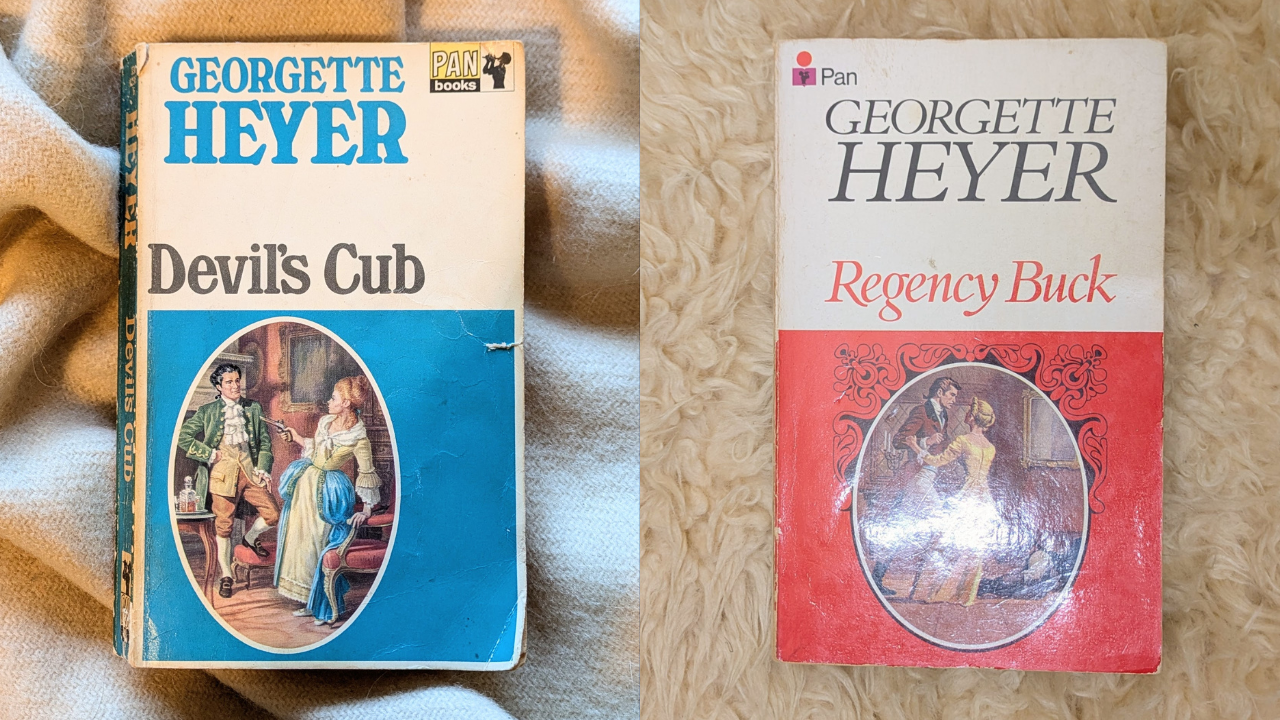
My project for 2026 of reading my way through Georgette Heyer's historical fiction has got off to a good start. The books of hers that I read in January were Devil's Cub and Regency Buck, as I indulged my interest in a particular character (Devil/Satanas from The Black Moth/These Old Shades) rather than forcing myself to read in strict publishing order. I wanted to follow him and his family through their next books and didn't worry much that I had skipped the rest of the 1920s. I will go back and read the books that I've skipped, when I feel like it. I'm trying to be completist but not rigid about this.
I liked Devil's Cub a lot — my review of that book is available to read here — and Regency Buck not as much. So far I'm finding that reading even a mid Heyer title is an enjoyable way to pass the time. I've really enjoyed chatting with other Heyer readers in the comments and in my inbox. The welcome I've had from long-time fans for these books has really validated my decision to immerse myself in them properly. You can find all my Heyer posts here, and the one about Regency Buck is here. If you'd like to receive those as email newsletters, adjust your settings here to do so.
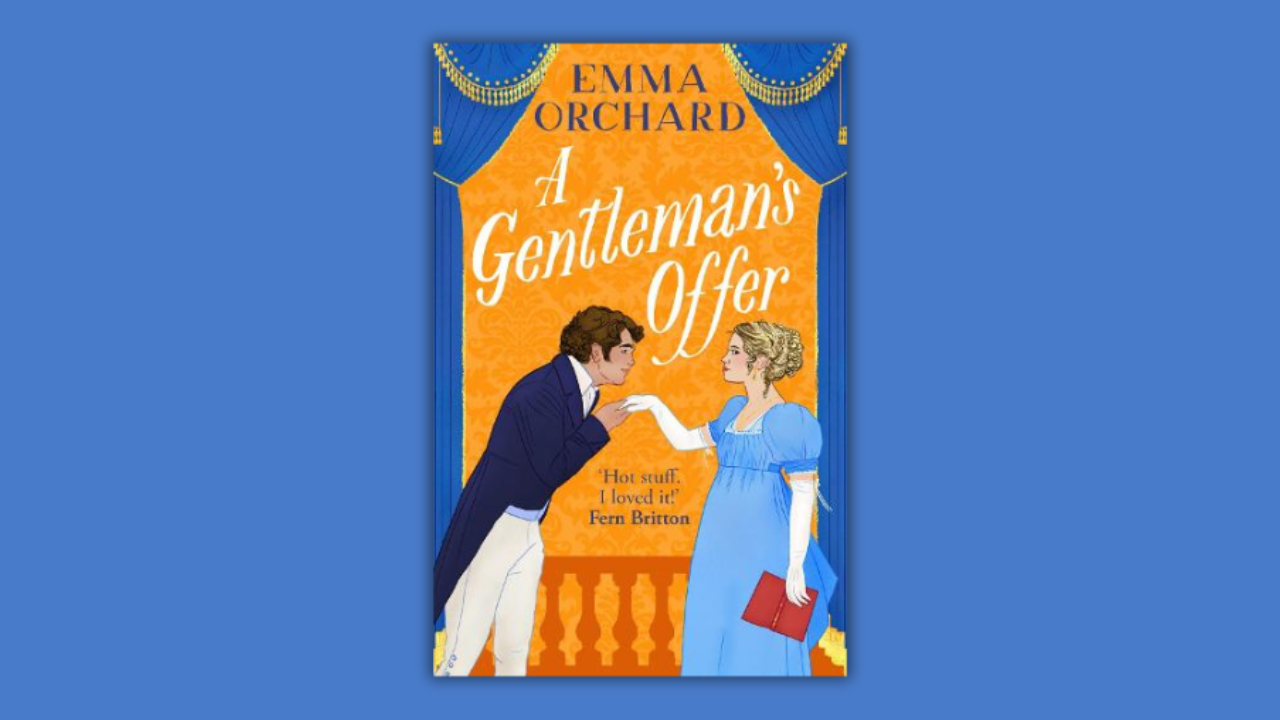
A Gentleman's Offer by Emma Orchard is a Regency romance novel published in 2025 that nonetheless is very connected to the work of Georgette Heyer. The author identifies herself as a Heyer fan and talks about how she got started publishing Heyer fanfiction during the first Covid lockdowns before moving on to her own original fiction. I'm coming to realise that all Regency romance exists in the shadow of Georgette Heyer, so it was nice to see that acknowledged and celebrated rather than left unspoken.
The plot of this book is more ridiculous and improbable than anything I've encountered in a Heyer novel so far: one half of a pair of twins absconds after her engagement to a famously eligible bachelor, her sister stands in for her, hijinks ensue. Of course, the other sister and the bachelor form a real attachment while they are keeping up the deception. Neither the characters nor the writing was especially memorable, although I had a nice time while I was reading it and would read more by this author in future.
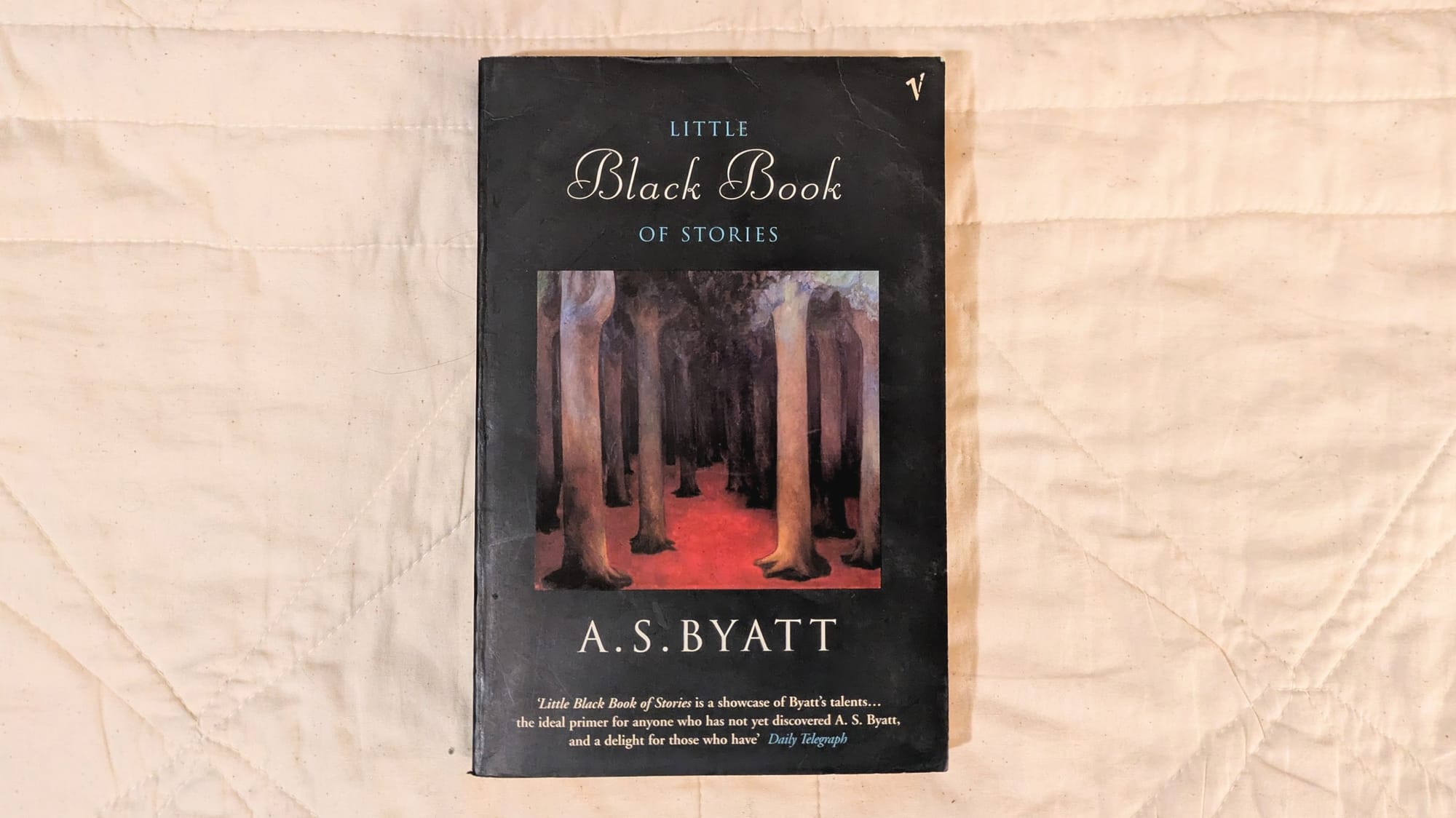
The Little Black Book of Stories by A.S. Byatt is one of the two books that I picked up again this month after a long pause. I started reading it on 22nd December 2024 and then put it aside because this dark-tinged, abstract collection of longer short stories was going to require more attention and literary appreciation than I had available at the time. I restarted it this month after making my plan to read only short stories at bed time to stop myself staying up too late reading "just one more chapter" of a novel. This perhaps wasn't the best book to start that habit with, because these are 50-75 page short stories and I sometimes took several evenings to finish one. They aren't very plot-driven, though, which allowed me to stay on track.
The five stories in this book all deal with the interaction of the mundane and the fantastical. "The Thing in the Woods" is about two women who, while WW2 evacuees at a country house, saw a little girl get eaten by said "thing", and then meet each other again in late middle age when they both return to the scene of the trauma to get some answers. "Body Art" is written from the point of view of a lapsed Catholic obstetrician who thinks he has left his hangups about abortion behind him with his faith, until the question becomes personal and he realises he isn't as liberal as he thought. I felt quite frustrated while reading this one and thought I didn't like it. In thinking about it since, though, I've decided it's a mark of the story's quality that it got me so riled up. "A Stone Woman" was my favourite in the collection. It follows a lexicographer as she begins to turn to stone — all kinds of stone, it's a beautiful, fascinating process — and goes on a trip to Iceland to explore the mythology there. "Raw Material" absolutely nails the awkwardness of trying to teach creative writing but I didn't feel like it really earned its ending. And "Pink Ribbon", a story about a man caring for his wife with dementia while having night-time encounters with a younger healthy version of her, was my least favourite, as I feel like it's an idea I've read more fully-realised examples of elsewhere. Altogether, this book provided me with a thought-provoking and satisfying introduction back into reading literary fiction. I did, however, agree with this reviewer who said that Byatt was a little too fond of including long lists in her stories.
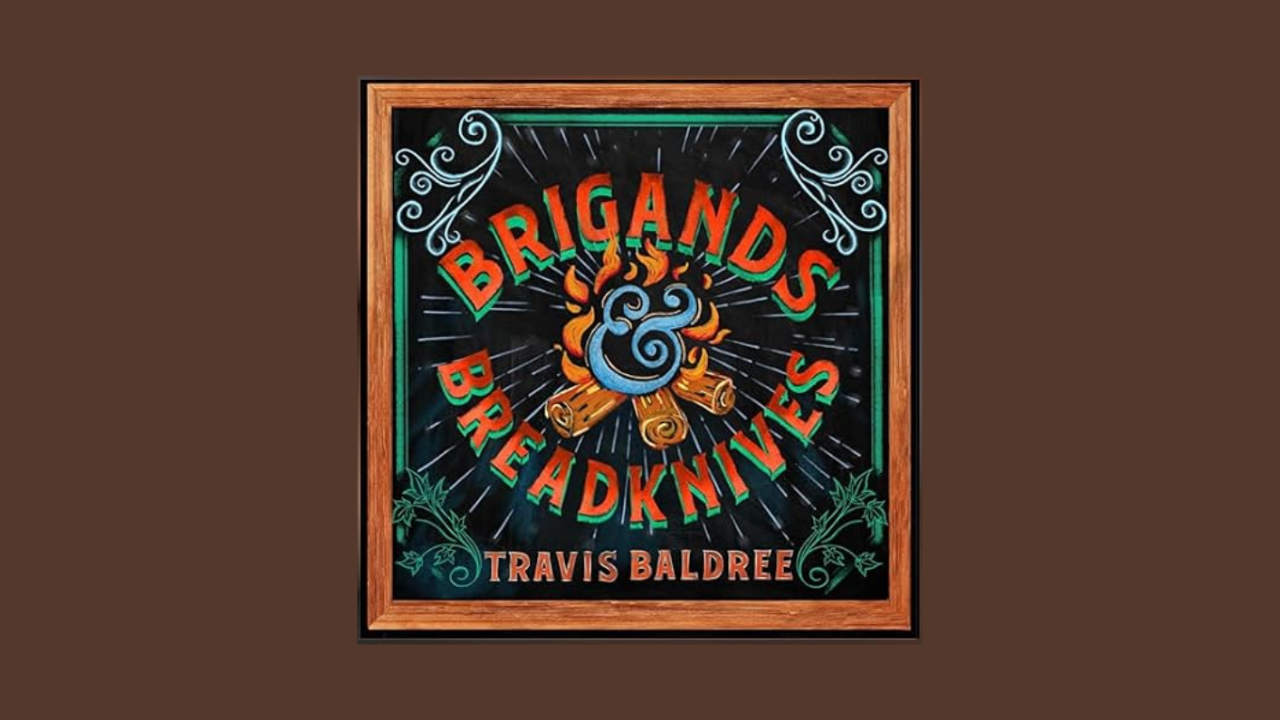
The other book I restarted after a long pause was the audiobook of Brigands & Breadknives by Travis Baldree. I've enjoyed the two other instalments in Baldree's cosy fantasy adventure series, slightly prefering Bookshops & Bonedust to the more famous Legends & Lattes. I started this third book back in November and then gave up, not because it was bad, but because I was struggling to focus because of overwork and health issues.
When I started again from the beginning this month, I was delighted to find that Baldree's strengths as a narrator (recording audiobooks is his day job) were just as great as I remembered. At one point in this story he manages to voice quick-paced dialogue between about five different characters at the same time, two of which are talking swords. It's very impressive, the more so because I didn't even notice the complication of the scene until the situation recurred quite far on in the book. I was also impressed that he eschewed the template he had followed in Legends & Lattes — character starts a business, the story follows them as it progresses — for something more complicated. A character does renovate and open a shop at the start of Brigands & Breadknives... only to realise in the first few chapters that she hates running said shop. She runs away from her life and does something else instead.
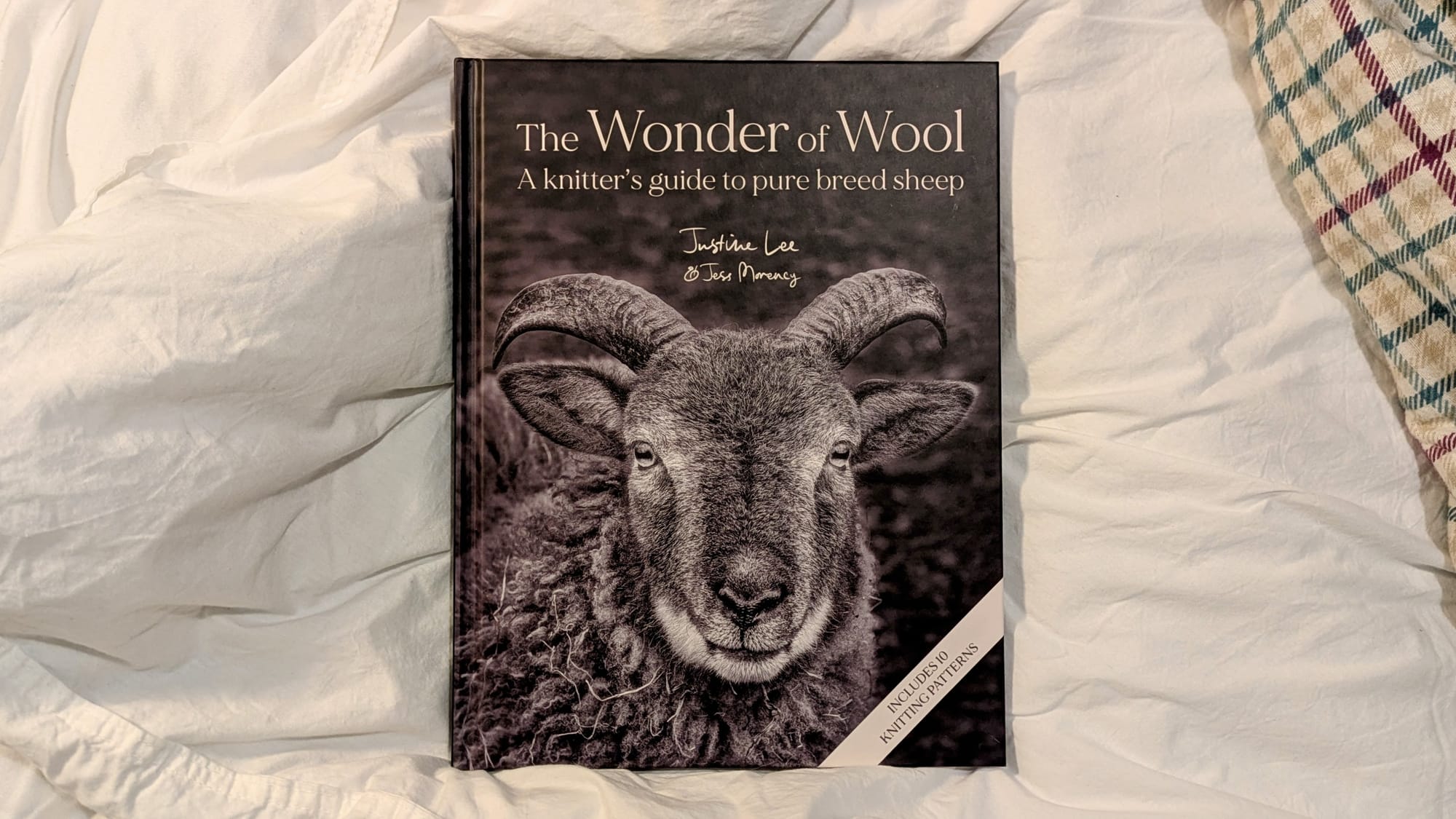
I began the year with The Wonder of Wool by Justine Lee and Jess Morency, which was a Christmas gift from my husband. This book is partly a history of the British wool industry and a guide to historic breeds, and partly a selection of knitting patterns designed to showcase the qualities of rarer wools. I read it in a day, some of which passed in a beautiful daydream about all the beautiful garments I would make if I didn't also have, you know, a job. A great gift for the knitter in your life who has strong opinions about natural fibres.
That was my reading for January: nine books, which show some progress towards my goal of reading a greater variety of genre and form. What I didn't manage to do was publish mini blog reviews of the books as I finished them — although I did manage a couple and enjoyed doing it! — so I'll re-apply myself to that effort in February.
Member discussion